
Five layers of documented information
Every whisky expression is the product of choices, but the amount of information disclosed about those choices varies. A good comparison system begins by distinguishing known attributes from assumptions. WHISKAVIA's Whisky DNA framework examines five layers: grain, fermentation, distillation, maturation and bottling. Each layer becomes useful only when its claims have identifiable sources and an appropriate expression or batch context.
Grain, categories and recipes
The grain layer covers category and recipe. Legal designations can establish minimum requirements without revealing an exact mash bill, and the same recipe may be handled differently by different distilleries. Malted grain, cooking steps and the balance of cereals can all matter. A field should remain unfilled when the information is not published or cannot be verified, rather than borrowing a typical figure from another producer.
Fermentation and still design
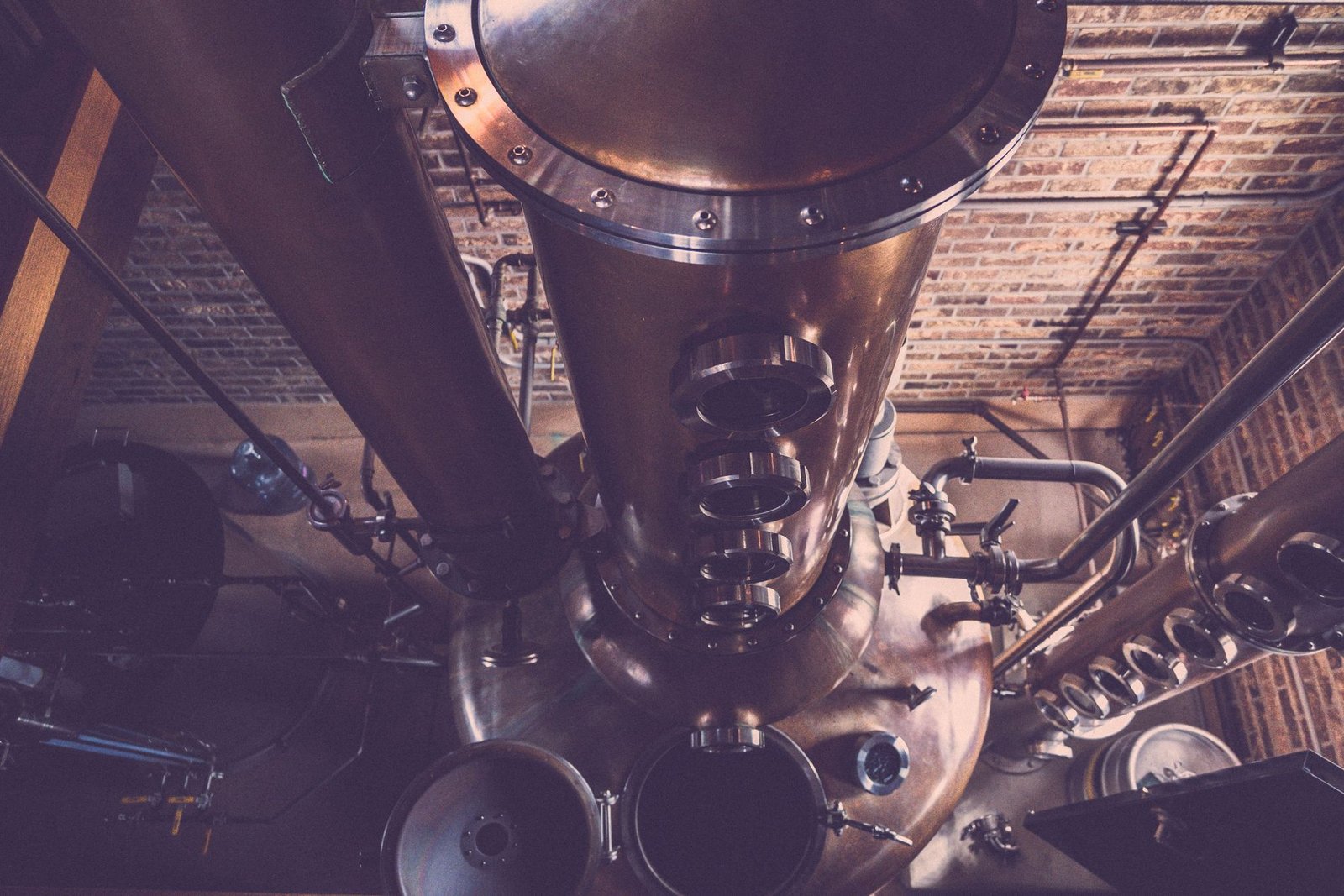
Fermentation and distillation form the next layers. Yeast management, duration and temperature may influence wash composition. The still type, internal geometry, reflux and selected fractions affect which compounds reach the collected spirit. Not all producers reveal these details, and sensory observations cannot safely supply them by deduction. A diagram should explain the process while remaining clearly separate from a named distillery's technical record.
Maturation and the limits of cask labels
Maturation is similarly multidimensional. Time is important, but the relevant standard, cask construction, previous contents, filling strength and storage environment can also change the outcome. The commercial description of a cask is often incomplete. When one expression is labelled with an age or barrel history, WHISKAVIA must preserve exactly what was claimed, by whom, for which release and on what date.
Bottling is expression-specific
Bottling adds final decisions such as declared strength, filtration and permitted colour adjustments. These decisions can differ among expressions from the same producer. A distillery-level value should not silently populate every expression record. In the source model, the physical distillery, brand and individual release are separate, connected entities with their own citations.
Unknown is not a zero
Imagine comparing two products where one publishes its grain recipe, bottling strength and cask description, while the other publishes only its legal category. A trustworthy interface should show the available facts side by side and mark the remaining fields unknown. It should not invent a similarity score by treating missing data as zero, nor claim that greater technical disclosure implies higher quality.
Separate specifications from personal perception
WHISKAVIA's live Sensory Studio already allows two side-by-side personal tasting observations, with independent nose, palate and finish notes and optional local export. These observations are not claimed as producer specifications. The more detailed expression-level DNA comparison remains a growing evidence instrument; it must only use attributed technical values and clearly expose missing fields.
Further reading
Original WHISKAVIA introduction; not a producer dossier or live travel listing.