
A date must name an event
Whisky history is often told as a sequence of founding dates, famous owners and celebrated bottles. Yet a single date can describe a licence, a building, a partnership, an expansion or the first mature product offered for sale. Treating those events as interchangeable creates a neat marketing timeline but an unreliable historical record. WHISKAVIA begins by giving each date a precise event meaning and a source.
Innovation has its own chronology
Production has been shaped by changing technologies. Grain preparation, fermentation control, pot-still operation and continuous distillation developed within distinct economic and local contexts. A machine's invention, patenting and later installation at a distillery are different milestones. The Time Machine should connect technical change to a specific plant only where the evidence supports the relationship.
Law and trade reshape production
Law and trade are equally important. Licensing, taxation and geographical definitions alter who can produce, what can be called whisky and which activities must be documented. These rules changed over time and differ across countries. Current standards should never be projected backwards onto historic spirits without examining the regulations then in force. A brand founded in one legal era may operate under a very different framework today.
Workers, communities and archives
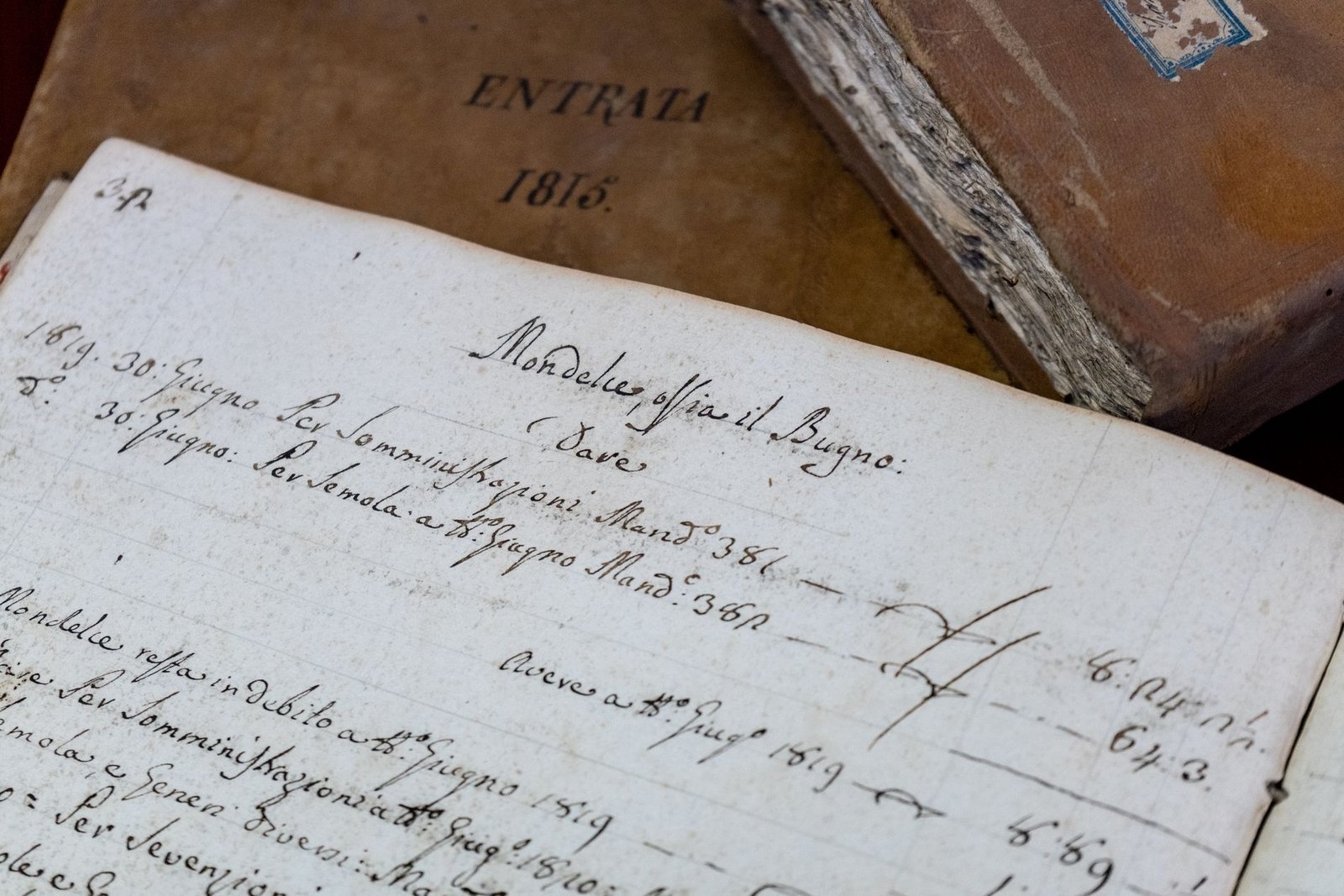
People deserve more than the founder's portrait. Cooperage teams, maltsters, warehouse workers, engineers, clerks, blenders and local families all contributed to production and its surrounding communities. Company archives and oral histories can reveal this social record, but a missing archive does not authorise invented biographies. The editor should explain what sources survive, which perspectives are present and where gaps remain.
Closure is not the end of a brand
Continuity can be misleading. A distillery can close while remaining stocks are bottled, a company can be sold while production continues, and a historic brand can be revived in a new facility. The Time Machine's distinction between distillery, company, brand and expression helps readers understand how those changes can coexist. A picturesque preserved site may now serve a museum role rather than an industrial one.
Three useful historical case studies
Consider the research cases of Tormore, Midleton and Yamazaki. Construction dates, historic works and modern operational sites complicate apparently simple anniversary statements. An editor should compare the original sources and keep differing event labels visible until they are reconciled. The objective is not to force every tradition into one uncontested date but to document what is actually known.
Source-linked timelines, not marketing anniversaries
WHISKAVIA will build historical journeys from source-linked milestones: an event with a type, time, place, participants and citation. Those relationships can eventually animate a timeline or connect to the Museum. Until individual records are approved, this guide offers the interpretive method rather than a fabricated catalogue of famous events.
Further reading
Original WHISKAVIA introduction; not a producer dossier or live travel listing.