Nine friends and a very small beginning
Stauning describes its origins in 2005, when nine friends began working with whisky in a former butchery near Denmark's west coast. This is a story of a particular company and location, not the birth of all Danish whisky. Early experiments made use of locally available tools and grain. To understand such histories, WHISKAVIA records the origin story as a producer account and asks separately when spirit first flowed and when bottles reached the market.
2006, 2011 and 2018 refer to different milestones
The producer dates its first successful second distillation to late August 2006, the first commercial bottles to 2011 and the opening of a modern purpose-built distillery to 2018. A founding year, production milestone, sales launch and building opening are four different records. Combining them into a single founding date would erase why the distillery changed its scale and equipment.
Why the former buildings matter
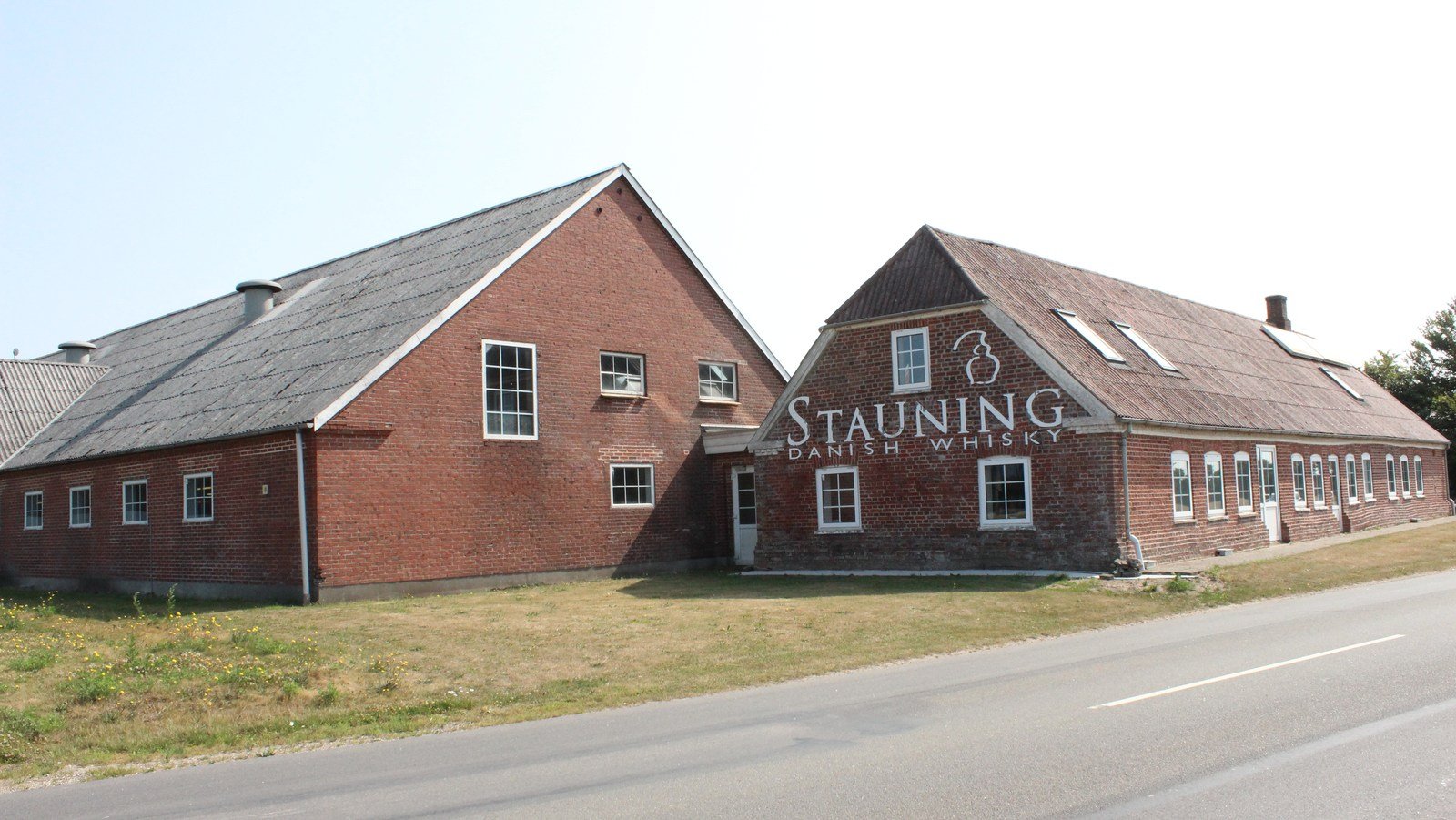
A photograph taken by Erik Frohne on 17 July 2021 depicts Stauning's older buildings. Its Wikimedia Commons description identifies their use as a shop and visitor centre. The image does not show the contemporary purpose-built stillhouse, and it cannot establish how the former butchery looked in 2005. Buildings are evidence of a physical place at the recorded moment, not an interchangeable visual for every phase of production.
The new building has its own architectural story
Stauning's own description of the 2018 facility emphasises a modern black-clad building, twenty-four smaller copper stills and direct firing. These are first-party accounts that deserve links to the exact site and period. An independent reference should keep a tour brochure, a historic photograph and technical specifications in separate evidence categories rather than using their visual appeal to imply independent verification.
A useful Danish itinerary begins with provenance
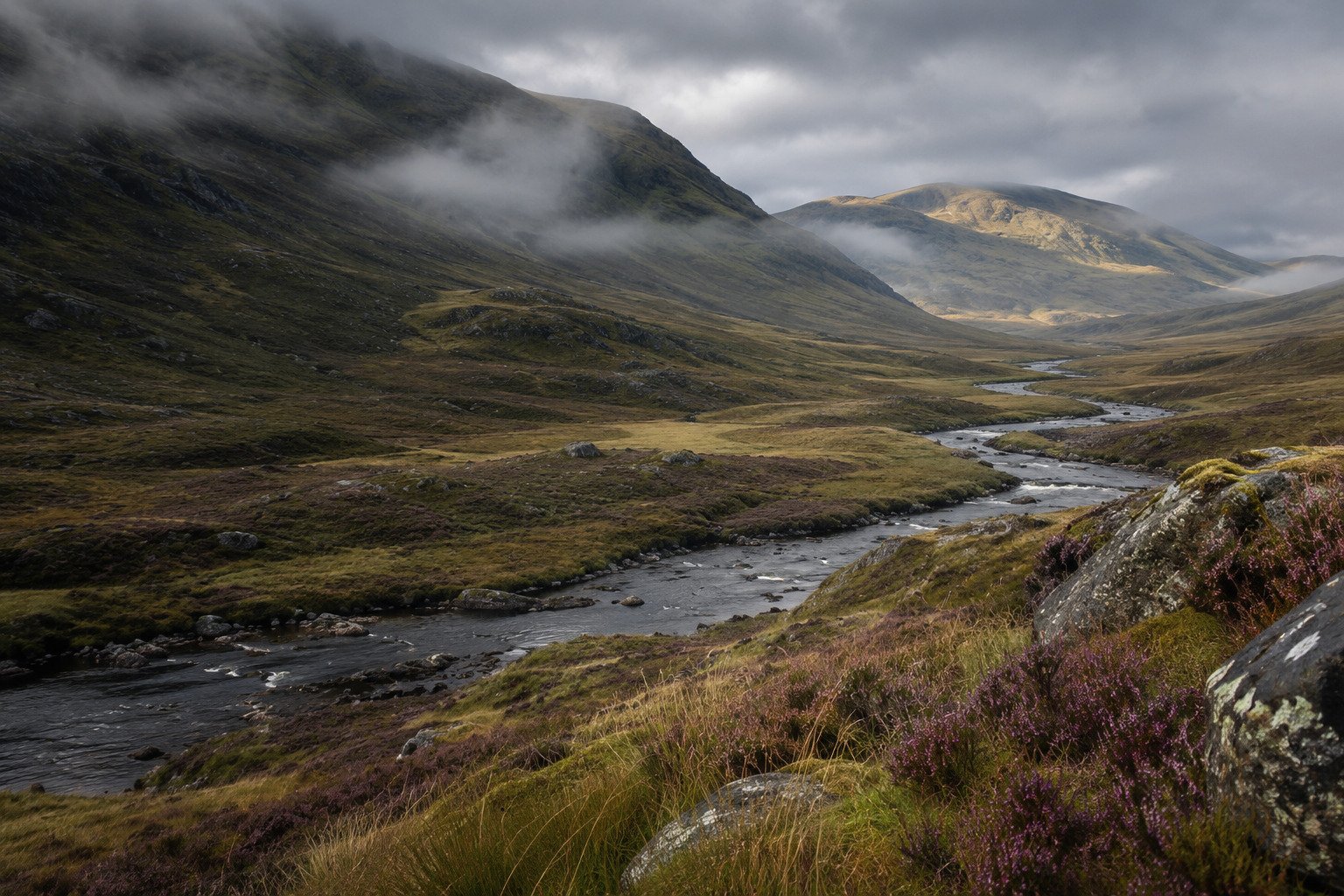
Readers can study West Jutland's landscape, maritime influences and local agricultural context without assuming current visitor hours, tour availability or access. A documentary image from 2021 can guide historical curiosity; arrangements for an actual visit must be checked against current official information. That distinction allows long-form history to remain useful even when operational details change.
Further reading
Original WHISKAVIA introduction; not a producer dossier or live travel listing.