The chain begins with grain
Whisky is best understood as a chain of decisions rather than a single recipe. The journey begins before fermentation, with grain selection and preparation. Different cereals supply the starch that will be made available to yeast, but even a detailed grain recipe leaves many questions open: how was the grain processed, how was it mashed and what fermentation conditions followed? The answers determine which compounds reach the still and how the producer can shape the new spirit.
Malting does not always mean peat
Malting is one way to prepare grain, and is especially central to many malt whisky traditions. During controlled germination, barley develops enzymes that can help break down starch; drying ends that growth before mashing. The choice to use smoke in drying requires its own evidence. Not all malt whisky is peated, and smoky sensory impressions can come from different processes. A production description must not be reverse-engineered from a tasting note.
Fermentation is a creative process
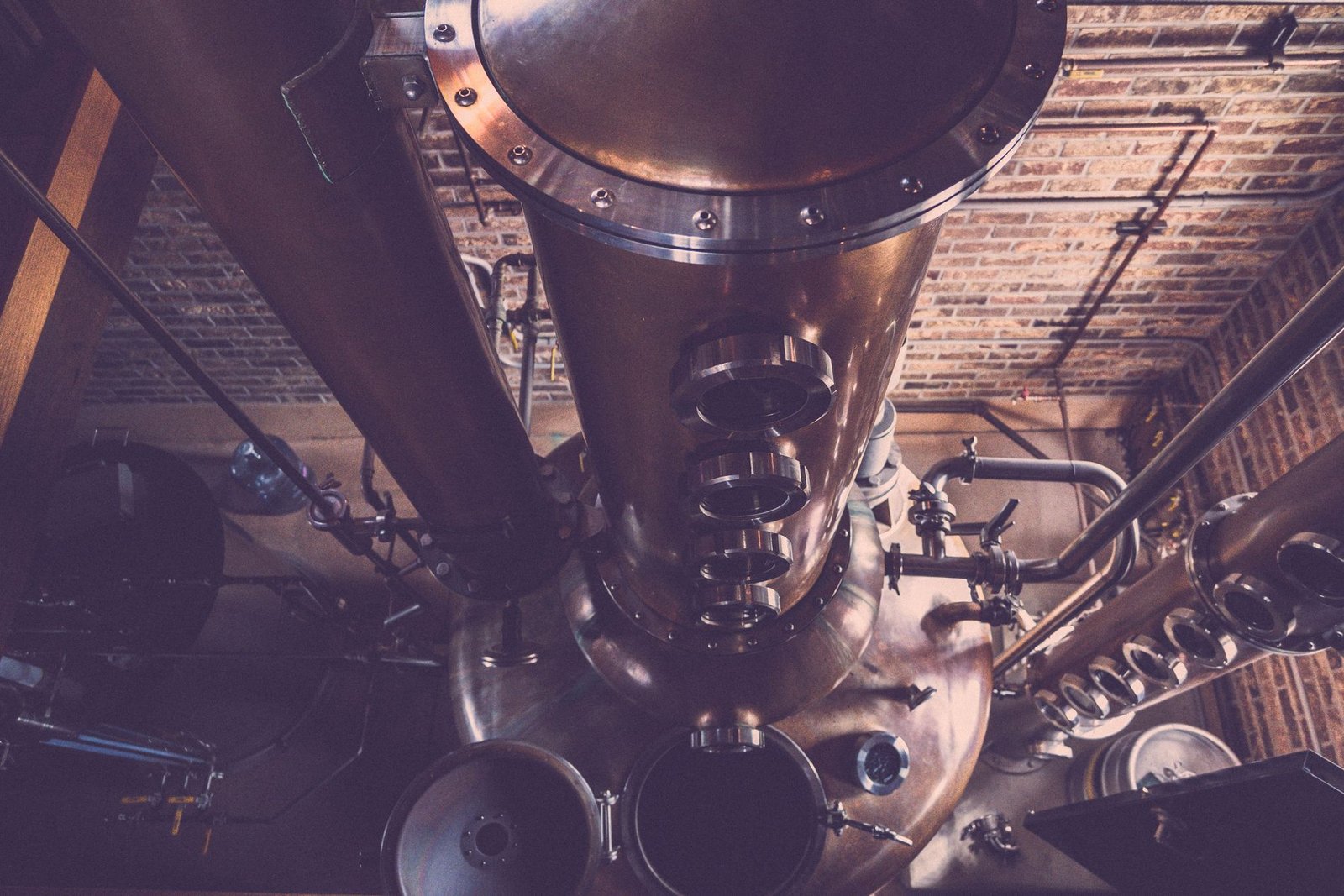
Fermentation transforms available sugars into alcohol and many other compounds. Yeast management, temperature and time all matter, but they cannot be neatly ranked in isolation. A producer may select a process for efficiency, repeatability, sensory goals or constraints of equipment. The resulting wash then enters a distillation system whose design and operation influence what is retained in the spirit. Pot and column stills provide different possibilities rather than a simple good-versus-bad hierarchy.
The cask is more than a clock
Maturation is not merely storage while a clock runs. The spirit interacts with its container and environment. Cask size, prior use, wood species, surface preparation, filling strength and warehouse conditions can all be relevant. Age statements are interpreted under the rules of the product's legal category, not as universal measurements of quality. Colour can suggest that something has changed during maturation, but it cannot securely reveal age, cask history or flavour without corroborating information.
A label is a compact legal document
Whisky labels compress a complicated production story into a few regulated or voluntary statements. The category name is a useful starting point: Scotch Whisky, Irish Whiskey, bourbon and Japanese whisky labelling are governed by different rules and practices. The word single may refer to a single distillery under one category and should not be assumed to mean one barrel, one grain or one production run. Likewise, a brand name is not proof of the particular facility that made an expression.
Separate declared facts and impressions
A reader can build an evidence-led profile by moving from the label to primary sources and then to independent context. Record what is explicitly declared, which source makes the claim and whether it applies to the current expression or an earlier release. Separate observable attributes such as stated strength from interpretations such as creamy texture. If a producer has not disclosed the yeast strain or mash bill, record that the information is unavailable instead of guessing.
Connect the pieces without ranking quality
WHISKAVIA connects this method to the Living Atlas, Time Machine, DNA Studio and Aroma Universe. A distillery dossier can explain place and history; an expression record can explain declared technical attributes; a tasting note can preserve someone's subjective experience. Together, they create a richer account than a recommendation ranking. The most useful first question is not whether one whisky is best, but what is known about it, what remains uncertain and why the distinction matters.
Further reading
Original WHISKAVIA introduction; not a producer dossier or live travel listing.