
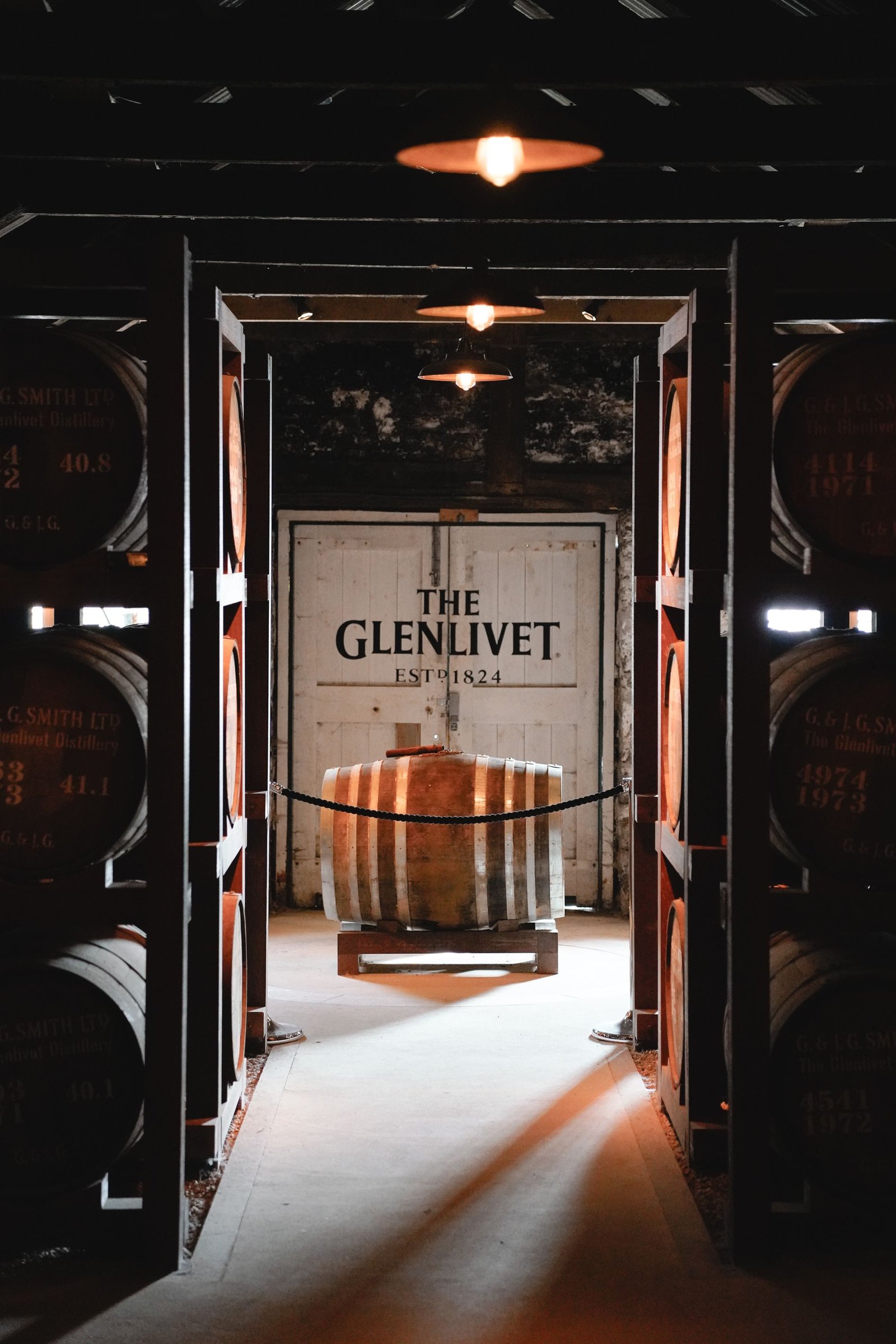
Start with designation and origin
Start with the exact product designation and place of production. A geographical name might be legally protected, descriptive or simply part of a brand. Then look at stated alcohol strength, bottle volume, age declaration, producer and bottler information.
Ages and casks have precise meanings
An age number does not identify the founding year or the age of the oldest component in a blend. A finish describes additional cask maturation, not a guaranteed flavour. Where claims concern heritage, the date of a company, a brand, a site and the start of distillation can be different milestones.
Follow the unusual claim to its source
Finally, consult the source behind any unusual statement. WHISKAVIA's future dossier pages will show individually evidenced facts, including the exact meaning of dates, and will leave disputed claims outside approved public profiles.
Further reading
Original WHISKAVIA introduction; not a producer dossier or live travel listing.